

Your Home Didn’t Sell. Could the Original Pricing and Marketing Strategy Have Played a Role?
Putting your home on the market is a big decision. You prepare the property, make plans for showings, keep the house ready for buyers, and wait for the right offer.
So when the listing ends without a sale, it’s understandable to feel disappointed and wonder what happened.
Was the price too high? Did buyers overlook the home? Was there something about the condition or presentation that held it back? Would a different marketing approach have made a difference?
There isn’t one explanation for every unsuccessful listing. But before you decide what to do next, it may help to take an honest look at how your home was positioned in the market.
A home that didn’t sell doesn’t necessarily mean something is wrong with the home. It may mean the strategy deserves another look.
1. Start with the original asking price
Pricing is one of the most important decisions in a home sale.
Buyers generally compare several properties before deciding which ones are worth seeing. If a home is priced above what buyers believe comparable properties are worth, some may not schedule a showing at all.
That doesn’t mean every home needs to be priced low. It means the asking price should have a clear connection to the property’s features, condition, location, recent comparable sales, and current competition.
When reviewing a previous listing, consider:disc
- How did the original asking price compare with similar homes?
- Were there competing properties offering similar features?
- Did the market change while the home was listed?
- Were price adjustments considered when buyer activity was limited?
- Does the current market support a different pricing strategy?
The goal isn’t to find a number that simply sounds attractive. It’s to determine how to position the property so buyers have a reason to consider it.
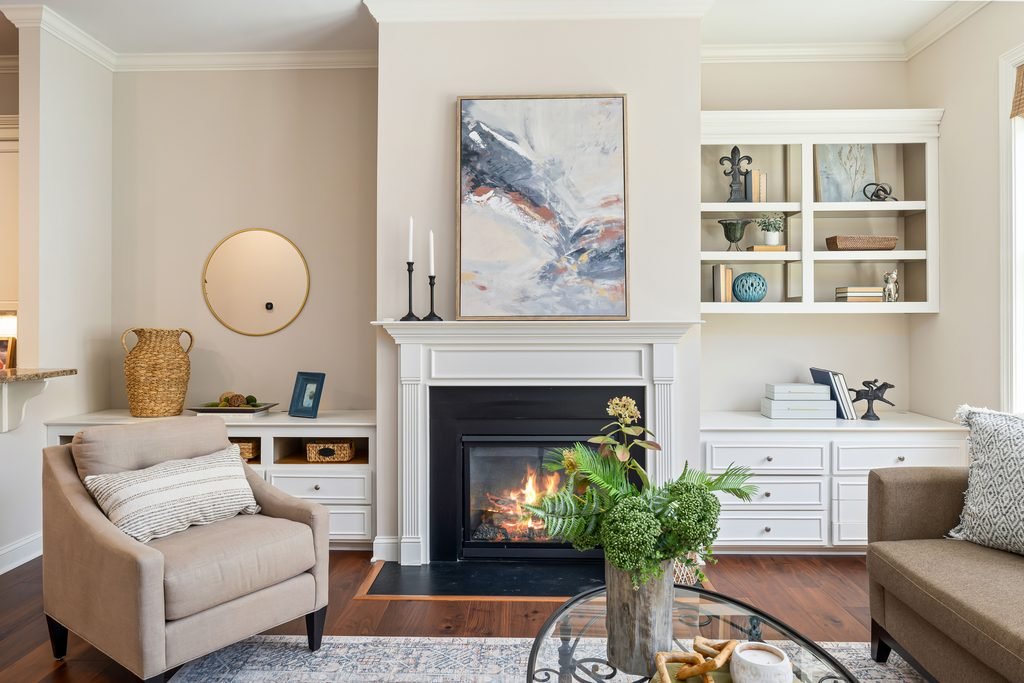
2. Consider how the home appeared to buyers
Buyers often form their first impression online, before they ever walk through the front door.
Photography, property descriptions, cleanliness, lighting, and the overall presentation can influence whether someone decides to schedule a showing.
Think about how your home was presented:
- Did the photos show the home clearly and accurately?
- Were the rooms clean, uncluttered, and easy to understand?
- Did the listing description highlight the property’s meaningful features?
- Were there maintenance or cosmetic issues that distracted buyers?
- Did the home show as well in person as it appeared online?
Not every home needs extensive staging or expensive improvements. Sometimes the most useful changes are relatively simple.
The important thing is to identify what buyers may have noticed and decide which changes are worth considering.

3. Look at the competition you were facing
Your home doesn’t compete with every property in the entire city. It competes with the homes buyers are considering in the same general price range and area.
That competition can look different in Moore than in Norman, Newcastle, or Southwest Oklahoma City. Even within the same community, buyers may compare homes based on school district, layout, age, condition, features, and price.
When reviewing the previous listing, look at what else was available at the time.
Were buyers choosing between your home and newer homes? Were there similar properties with updated kitchens or larger lots? Were other sellers offering incentives or adjusting prices?
A fresh look at today’s competition may reveal opportunities to reposition your home.
4. Review the marketing, not just the number of showings
Marketing is more than putting a home in the MLS and waiting for buyers to find it.
A thoughtful marketing plan considers how the property will be presented, where it will be promoted, what information buyers need, and how the home’s features will be communicated.
When reviewing a previous marketing effort, consider:
- Was the property presented accurately and professionally?
- Were the photos and description effective?
- Was the home available for showings?
- Were online and other appropriate marketing channels used?
- Was buyer and showing feedback reviewed?
- Did the marketing strategy adapt as the listing progressed?
No marketing plan can guarantee a sale. But reviewing what was done, what buyers responded to, and what could be improved is a worthwhile part of planning a relaunch.
5. Don’t automatically spend money on renovations
After an unsuccessful listing, it can be tempting to start making improvements in the hope that a different appearance will attract buyers.
Before spending money, pause.
Some repairs or presentation improvements may be worthwhile. Others may not make a meaningful difference to the property’s marketability or likely sale price.
Start by identifying the issues that could affect a buyer’s decision. Then consider the likely cost, the property’s competition, and your plans for selling.
You don’t necessarily need a major renovation to improve how a home competes.
For significant repairs, inspection concerns, or questions about potential costs and returns, consult the appropriate qualified professionals.
6. Make a plan before you relist
If you’re considering putting your home back on the market, don’t assume you should simply repeat the previous approach.
A useful review should consider:
- Your goals: Why are you selling, and what timeline are you working toward?
- The previous listing: What happened during the time the home was marketed?
- Pricing: How should the property be positioned based on current comparable sales and competition?
- Preparation: What should be addressed before the home returns to the market?
- Presentation and marketing: How can the property be communicated more effectively?
- Next steps: What is realistic given your timeline, finances, and circumstances?
It’s also reasonable to ask questions when interviewing an agent. You should understand the proposed pricing strategy, marketing plan, communication expectations, and how the agent intends to evaluate feedback and make adjustments.
You deserve to understand the plan before making another commitment.
Your next move should be informed, not rushed
If your home didn’t sell, you don’t have to immediately relist, lower the price, or start spending money on improvements.
First, understand what happened. Then look at what’s changed and what options make sense now.
For homeowners in Moore, Southwest OKC, Newcastle, Norman, and surrounding communities, I offer a Personalized Home Value & Selling Plan that looks beyond a generic estimate.
We’ll consider your home, your goals, your timeline, the previous listing, comparable sales, and the current competition. From there, we can discuss realistic options and what a different selling strategy might look like.
No inflated promises. No one-size-fits-all plan. Just an honest conversation about your next step.
Real Estate with a Plan.
Visit https://kimberlyspencerhomes.com/resources/ for helpful real estate planning information, or reach out to discuss your selling goals.
Real estate pricing and marketing guidance is not legal, tax, lending, or financial advice. Consult the appropriate qualified professionals for those matters.