
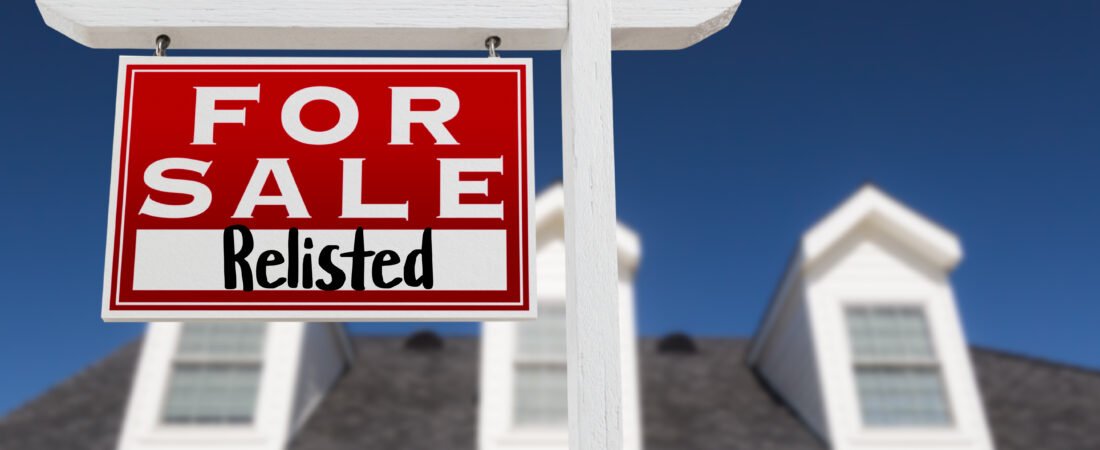
Found a Home That Didn’t Sell The First Time? What Buyers Should Know Before Making an Offer
You’re searching for a home somewhere in the South OKC Metro, and you come across a property that was listed before but never sold.
Naturally, you have questions.
Was it overpriced? Is something wrong with the house? Is the seller more motivated now? Could this be an opportunity to negotiate a better deal?
Those are reasonable questions. But there is something important to remember: A home that didn’t sell isn’t automatically a bad home, and it isn’t automatically a bargain.
A property’s previous listing history can provide useful information, but it doesn’t tell you everything you need to know. Before you decide whether to make an offer, take a closer look.
1. A home can fail to sell for more than one reason
There isn’t always one simple explanation for why a home didn’t sell.
Several factors may have influenced the outcome:
- Pricing: The original asking price may not have aligned with what buyers were willing to pay at that time.
- Condition: Buyers may have had concerns about repairs, maintenance, or the overall condition of the property.
- Presentation: Photography, staging, cleanliness, or the way the home showed may have affected buyers’ first impressions.
- Competition: Other homes may have offered features, condition, or pricing that buyers found more appealing.
- Marketing and exposure: The way a property was presented and promoted may have influenced how effectively it reached potential buyers.
- Timing: Buyer activity and competing inventory can change over the course of a listing.
Sometimes several of these factors overlap. And sometimes a seller’s circumstances or timing change before the home comes back on the market.
The listing history alone cannot tell you which explanation applies.
2. Don’t assume the seller is desperate
One of the biggest assumptions buyers can make about a previously listed home is that the seller must be desperate to sell.
That may or may not be true.
A listing that expires or is otherwise taken off the market does not tell you the seller’s current financial situation, motivation, or willingness to negotiate.
Perhaps the seller decided to wait. Perhaps circumstances changed. Perhaps the seller is trying a different approach.
The only way to understand the seller’s current position is through appropriate communication and negotiation. Don’t build your offer strategy around an assumption that hasn’t been established.
3. Look at the price in relation to today’s competition
A home may have been priced too high when it was first listed. But that doesn’t automatically mean the current asking price is unreasonable.
Markets change. Competing listings change. Buyers have different options at different times.
Before deciding what a home is worth, consider:
- What comparable homes have recently sold for.
- What similar homes are currently available.
- How the property’s size, features, location, and condition compare.
- Whether the asking price reflects the current competition.
- Whether there have been meaningful changes since the previous listing.
An asking price is not proof of market value, and a previous asking price is not necessarily a reliable guide to today’s value.
A thoughtful comparison is much more useful than simply looking at how long the home has been on the market.

4. Investigate the property, not just its listing history
If you’re interested in a home that previously failed to sell, don’t let the listing history replace the normal due diligence you’d perform on any property.
Look at the home’s condition. Ask questions about known issues. Review available disclosures and property information. Consider an appropriate professional inspection.
If you have concerns about the roof, foundation, HVAC system, plumbing, electrical components, or other property conditions, get the appropriate qualified professionals involved.
A previous listing does not establish whether a property has defects. An inspection and other appropriate due diligence can help you better understand what you’re considering.
5. Could the previous listing create a negotiation opportunity?
Possibly. But the opportunity should be based on evidence, not simply the fact that the home didn’t sell.
A reasonable offer strategy considers:
- Comparable sales.
- Current competing properties.
- The home’s condition and needed repairs.
- The property’s features and location.
- The seller’s circumstances, when known.
- Price, financing, contingencies, closing date, and other offer terms.
A lower offer isn’t automatically a better offer. Sellers consider the entire package, and the right terms depend on the circumstances.
Your goal should be to make an informed offer that reflects the property’s value and your own priorities.

6. Ask better questions before deciding
If a previously listed property catches your attention, here are some questions worth discussing with your real estate agent:
- What was the home’s previous asking price, and how does that compare with today’s price?
- How does the property compare with similar homes currently available?
- Have there been any known changes to the property since the previous listing?
- Are there condition or maintenance concerns that deserve further investigation?
- What offer terms would make sense based on the current market and my goals?
The answers may help you see the property differently. You might decide it’s a good fit, or you might decide to keep looking. Either way, you’ll be making a decision based on more than an assumption.
If you’re still preparing financially for your home purchase, read my article on the difference between mortgage prequalification and preapproval in Oklahoma.
The bottom line: Don’t overlook a home, but don’t overlook the details either
A home that didn’t sell may deserve another look. It may have been priced incorrectly, poorly presented, competing against stronger options, or simply listed at the wrong time.
But the listing history doesn’t tell the whole story.
If you’re buying in Moore, Newcastle, Norman, or the South OKC Metro, I can help you evaluate the property’s previous listing history alongside current comparable sales, competition, condition, and your priorities.
Real estate decisions deserve more than guesswork. They deserve a plan.
Thinking about buying? Visit my resources page for helpful planning information: https://kimberlyspencerhomes.com/resources/.
Property condition, inspections, financing, legal matters, and other specialized issues should be evaluated with the appropriate licensed or qualified professionals. Real estate guidance is not a substitute for those professional services.
Takeaway
A previous listing is a reason to ask better questions, not a reason to assume the home is defective, the seller is desperate, or the price is negotiable.
Reach out
“Found a home that was listed before and didn’t sell? Let’s look at the history, the current competition, and what the numbers actually tell us before you decide to make an offer.”
Still Looking for the Right Home?
You can search homes for sale throughout the South OKC Metro. Browse my saved searches by community and price range, or create your own search based on what matters most to you.
Kimberly Spencer
REALTOR®
Dillard Cies Real Estate
Real Estate with a Plan.