
Buying New Construction in Oklahoma? What to Know About Builder Financing Incentives
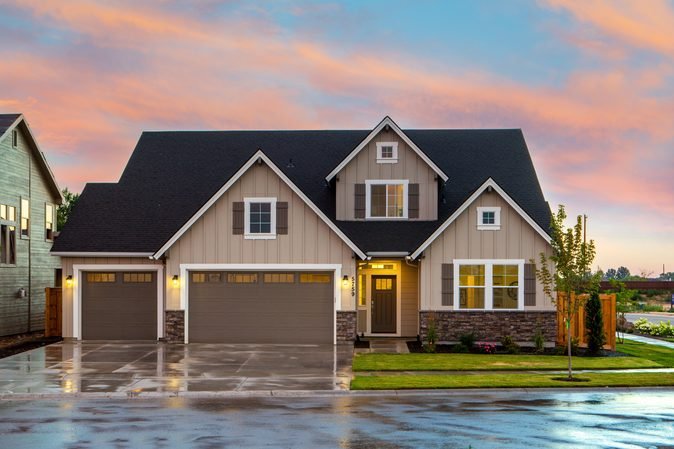
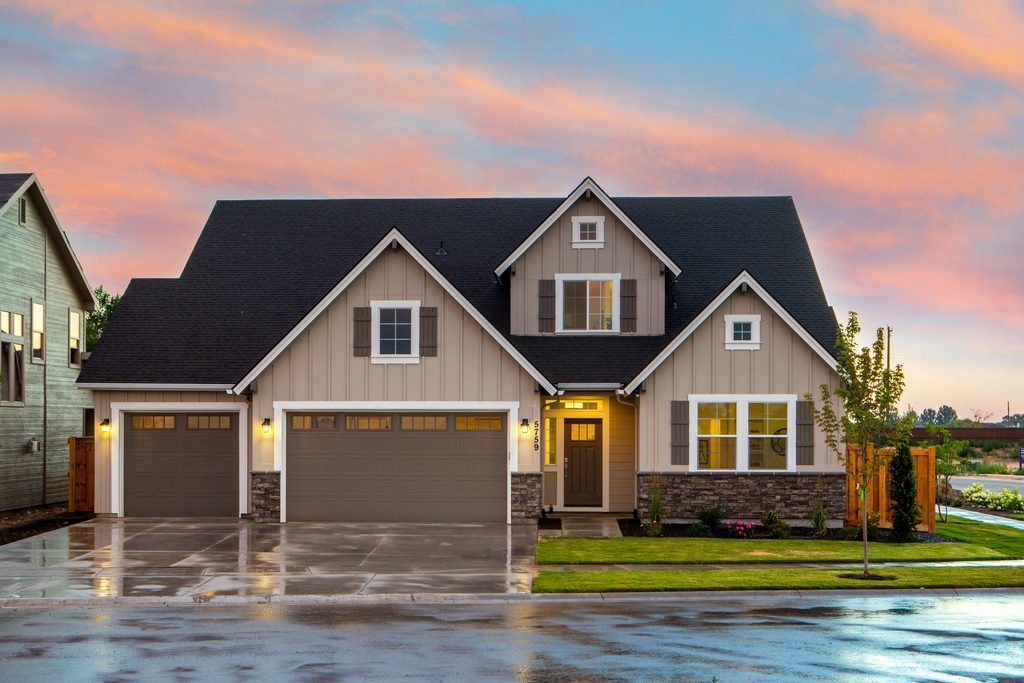
You’ve found a new construction home that checks most of your boxes. The layout works, the finishes are appealing, and the builder is advertising financing with an attractive mortgage rate or help with closing costs.
It’s tempting to focus on that lower monthly payment, especially when mortgage rates and affordability are already major considerations for buyers.
But before you decide how to finance the home, it’s worth understanding what the builder is offering, what conditions may apply, and how the complete financing package compares with other options.
Builder financing incentives can offer real value. The key is understanding the details rather than making a decision based on the advertised interest rate alone.
Why Do Builders Offer Lower Interest Rates?
Builders want to sell homes. When a home is completed or a community has available inventory, offering financing incentives can help attract buyers and make a new home more affordable.
You may see promotions such as:
- A reduced mortgage interest rate for a specified period.
- A lower rate for the life of the loan.
- Contributions toward closing costs.
- Assistance with certain loan expenses.
- A combination of rate incentives and closing cost assistance.
These offers may be available through a builder’s preferred lender or an affiliated mortgage company.
The builder may contribute money toward the incentive, and the lender structures the financing offer. The exact arrangement varies by builder, lender, loan program, and promotion.
It’s important to remember that advertised incentives are not necessarily available to every buyer or for every home. Credit qualifications, loan type, down payment, property, closing date, and other conditions may affect eligibility.

What Is a Builder’s Preferred Lender?
Many builders have a preferred or affiliated lender they work with regularly.
There can be practical advantages to that relationship. The lender may be familiar with the builder’s communities, construction timelines, contracts, and closing procedures.
Some builders also make certain incentives available only when a buyer finances through their preferred lender.
That doesn’t automatically mean the preferred lender is the best financing option for every buyer.
You may already have a relationship with a bank, credit union, or mortgage company. You may have obtained a preapproval before visiting the builder’s model home.
You can still ask the builder what financing options are available and whether the advertised incentive requires using a particular lender. Before choosing a lender, it can help to understand the mortgage process and the steps involved.
The important thing is to understand the difference between the incentive being offered and the financing terms you’re agreeing to.
Is the Lower Advertised Rate Temporary or Permanent?
This is one of the first questions I would ask.
Not all lower-rate promotions work the same way. Two common arrangements are temporary rate buydowns and permanent rate buydowns.
1. Temporary rate buydown
A temporary buydown reduces the interest rate for an initial period of the loan.
For example, a builder may advertise a 2-1 buydown. In a typical arrangement, the interest rate is reduced by two percentage points during the first year and one percentage point during the second year. After that, the loan returns to its full note rate for the remaining term.
The lower initial payment can make the first couple of years more manageable, but buyers need to be comfortable with the payment once the temporary reduction ends.
Ask the lender to show you the payment for every year of the arrangement, not just the introductory payment.
2. Permanent rate buydown
A permanent rate buydown generally involves paying points or other upfront costs to obtain a lower interest rate for the life of the loan.
The cost may be paid by the builder, the buyer, or a combination, depending on the promotion and loan terms.
A permanently lower rate can reduce the monthly principal and interest payment, but it’s important to understand how much is being spent to obtain that rate and how long it may take to realize the savings.
A lower rate is not automatically the better financial choice if the upfront cost is substantial or you don’t expect to keep the loan long enough to benefit.

What Should You Compare Before Choosing a Lender?
This is where I encourage buyers to slow down and look beyond the promotional headline.
If a builder advertises a lower rate through its preferred lender, ask your own lender to provide a comparable financing estimate as well.
Ideally, you want to compare the same type of loan, loan term, down payment, and general assumptions.
Here are some of the questions worth asking:
1. What is the actual interest rate?
Is it a temporary introductory rate or the permanent rate for the life of the loan? If it changes, when does that happen?
2. Are there points or additional fees?
A lower rate may involve upfront discount points or other costs. Ask who is paying them and how much they cost.
3. What closing costs are included?
Find out exactly what the builder is contributing toward closing costs and which expenses are not covered.
4. What is the annual percentage rate (APR)?
The APR can help show the broader cost of borrowing because it includes the interest rate and certain loan costs. It is useful for comparison, although it should not be the only factor you consider.
5. How much cash will you need at closing?
Compare the estimated cash needed to close, including your down payment, closing costs, deposits, and applicable credits.
6. What will your monthly payment actually be?
Look beyond principal and interest. Property taxes, homeowners insurance, mortgage insurance when applicable, and HOA fees can all affect the amount you pay each month.
7. Is the interest rate locked?
Ask when the rate will be locked, how long the lock lasts, and what happens if construction or closing is delayed.
8. What are the requirements for receiving the incentive?
Ask whether there are income, credit, loan-program, property, or closing-date requirements. Also ask what happens to the incentive if you choose a different lender.
The Consumer Financial Protection Bureau recommends comparing multiple mortgage offers and reviewing Loan Estimates rather than relying on advertised rates alone.
Don’t Forget to Compare the Complete Cost
Let’s say one lender advertises a lower interest rate, while another offers a slightly higher rate with lower upfront costs.
Which is better?
There isn’t one answer that works for every buyer.
Your decision may depend on how much cash you want to bring to closing, how long you expect to keep the home and mortgage, the monthly payment you’re comfortable with, and the total cost of the loan.
Ask both lenders to explain the differences in writing. A standardized Loan Estimate can help you compare the loan amount, interest rate, projected payments, closing costs, and other terms.
You can also ask the lender to show you the available options with and without points or credits.
The goal is to make an informed comparison, not simply choose the lowest number in an advertisement.
Does Getting Preapproved With One Lender Mean You Have to Use That Lender?
No. A preapproval is an important step in preparing to buy, but it doesn’t commit you to closing your mortgage with that particular lender.
You can explore other financing options and compare lenders before deciding which loan makes the most sense for your situation.
If you are considering a builder’s preferred lender after already receiving a preapproval elsewhere, ask both lenders what information they need to prepare comparable estimates.
One thing to keep in mind: changing lenders later in the purchase process can affect your closing timeline. With new construction, where completion dates and builder deadlines matter, you’ll want to make those decisions early enough to avoid unnecessary delays.
For more information about preparing to buy, read my related article: Prequalification vs. Preapproval: What Oklahoma Homebuyers Need to Know.
Buying New Construction in Moore, Newcastle, or the South OKC Metro?
New construction can be an attractive option for buyers who want a newer home, modern layouts, and the opportunity to choose certain finishes or features.
Builders may offer different incentives depending on the community, home, stage of construction, and current sales goals.
Whether you’re looking in Moore, Newcastle, Blanchard, Norman, or another South OKC Metro community, I encourage you to look at the complete purchase and financing picture.
That includes the home itself, the builder’s contract, available incentives, estimated closing costs, and the financing options you’re considering.
My role is not to choose a mortgage lender for you or provide mortgage advice. It’s to help you understand the real estate side of the transaction, ask informed questions, evaluate the home and builder terms, and coordinate with the professionals involved.
A lower advertised interest rate may be a great opportunity. Just make sure you understand what you’re getting before you make your decision.
Thinking about buying a new construction home in the South OKC Metro? Let’s talk about what you’re looking for, which communities you’re considering, and how to approach your purchase with a plan.
Kimberly Spencer, REALTOR®
Dillard Cies Real Estate
Real estate with a plan.
Important Information: This article is intended for general educational purposes only and should not be considered mortgage, financial, tax, or legal advice. I am a licensed real estate professional, not a mortgage lender, attorney, or financial advisor. Mortgage programs, interest rates, builder incentives, and loan requirements vary. Please consult a qualified mortgage professional regarding financing options and an attorney or tax professional when appropriate for advice specific to your financial circumstances.